Alpha Roadside Services and Battery Logo
Services
About
Service Areas
Contact Us
Call Now
Roadside Assistance
  1. Home
  2. Services
  3. Mobile Tire Repair & Flat Tire Change Austin, TX

Alpha Roadside Services and Battery Logo
Services
Mobile Battery ReplacementJumpstartsLockout ServiceTire ServicesFuel Delivery
Company
About UsBatteriesGalleryReviewsContact
Service Areas
Austin, TXBuda, TXCedar Park, TXGeorgetown, TXKyle, TXLeander, TXManchaca, TXManor, TXNorth Austin, TXOak Hill, TXRound Rock, TXSouth Austin, TXWest Lake Hills, TXWestlake, TX
Contact
(877) 9-ALPHA-9alpharoadsidedispatch@gmail.comContact Us Online

© 2026 Alpha Roadside Services and Battery. All rights reserved.

Privacy PolicyTerms of ServiceBattery Warranty
Dolooma

Powered by Dolooma

Flat Tire? Alpha Fixes It Fast — Spare Changes, Plugs & Tire Runs Across Austin

Spare Changes, Puncture Repair & Tire Replacement Runs — Most Calls Resolved in 15-20 Minutes Wherever You're Stranded

Request Service OnlineCall Now

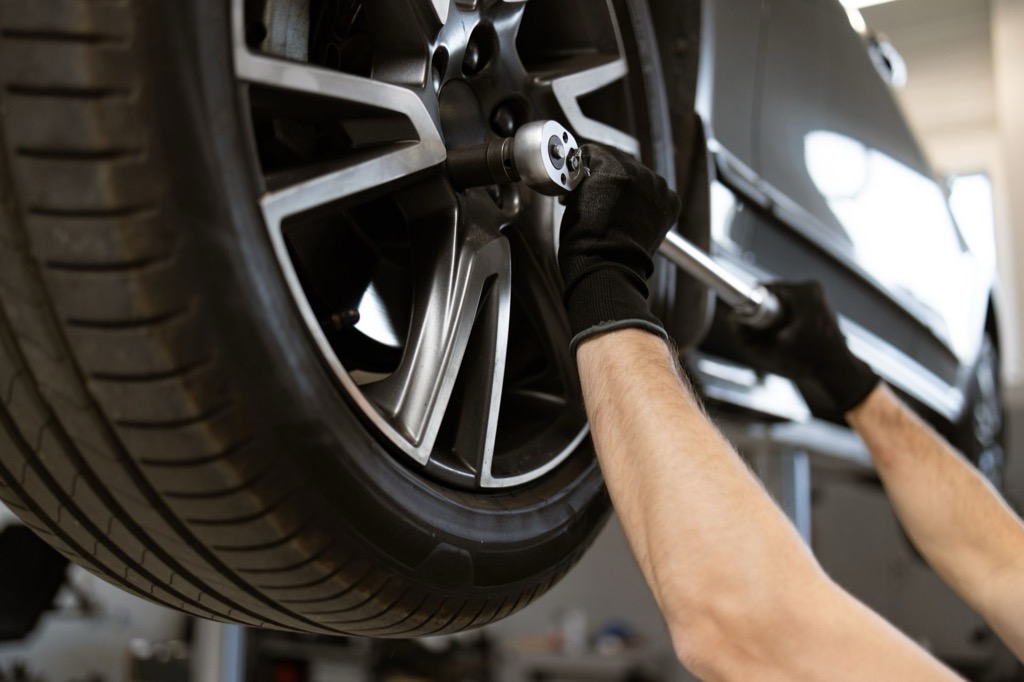
Alpha Roadside Services and Battery operates mobile tire service across Travis, Williamson, and Hays Counties, bringing the tools to fix your flat wherever it happened — highway shoulder, parking lot, driveway, or side street. Every truck carries a professional floor jack, torque wrench calibrated to manufacturer specs, plug kit, and portable air compressor. That means we can swap a spare, plug a tread puncture on the spot, or remove a damaged wheel and take it to a tire shop for replacement, all without requiring a tow. We are the same Austin crew you call for mobile battery replacement and lockout service, so if the battery died while the hazards were running or the keys are locked in the trunk with the spare, one dispatch covers both emergencies.

Austin drivers choose Alpha because response times stay short in Round Rock, Kyle, Cedar Park, and Buda, not just downtown — we position trucks across the metro and dispatch the nearest available tech, not whoever happens to be free in central Austin. A flat on MoPac during rush hour or a blowout on SH-130 near the toll plaza gets the same fast arrival and professional tire work, and you get an upfront price quote before we touch the vehicle. No surprise fees, no vague "depends on the tire" answers after we arrive.

Which Tire Fix Does Your Situation Require?

You do not need to diagnose the tire yourself before you call. Describe what you see to our dispatch team and we will send the truck prepared for the most likely fix, then confirm the right approach when the tech arrives and inspects the damage. If you want a rough sense of what to expect ahead of time, here is how we decide:

  • You have a usable spare and the tire is completely flat or visibly shredded: Spare tire change. This is the majority of calls we receive and the quickest to resolve. The tech swaps the flat for your spare, torques the lugs, checks pressure on all four corners, and you are back on the road in 15-20 minutes.
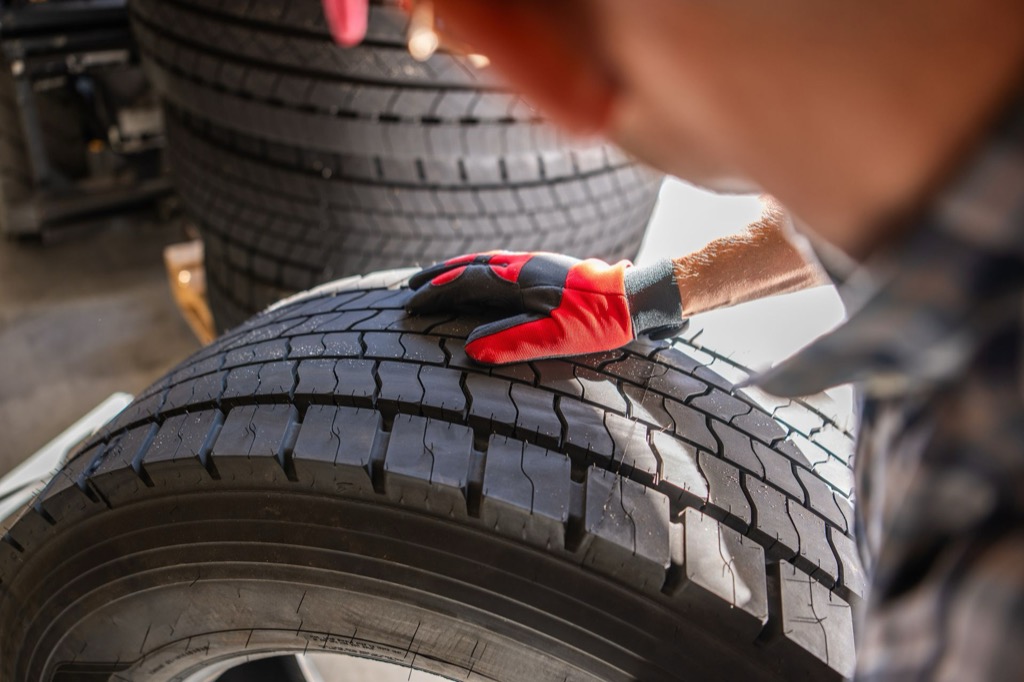
  • Slow leak or visible nail/screw in the tread, no sidewall damage, tire still holding some air: On-site flat repair (plug). We pull the foreign object, insert the plug, seal it, and reinflate the tire to the correct pressure. You drive away on the same tire with a permanent repair. This only works if the puncture is in the tread and smaller than about a quarter-inch — sidewall damage cannot be plugged safely.
  • No spare, a sidewall cut or bulge, or a tire that was driven while completely flat: Tire replacement support (wheel-off service). A plug is not safe in any of those scenarios, so we remove the wheel, take it to a tire shop for a replacement tire, and return to install it. This takes longer than a spare change because of the shop visit, and the tech will give you an upfront time estimate before leaving with the wheel.
  • Two or more flats at once: Usually caused by hitting a curb, pothole, or road debris at speed. We can install one spare and take the second wheel to a shop, or coordinate a tow if the vehicle cannot be moved safely on a single spare (depends on the damage and your vehicle type).

If you are unsure what you are looking at, just tell dispatch where you are and what the tire looks like, and we will walk you through what to expect before we dispatch the truck.

Flat Tire on I-35, MoPac, 183, or Another Austin Highway? Follow This Protocol First

Highway flat tires are where most roadside injuries happen, so your first priority is getting the vehicle and yourself somewhere safe before you call for help. Follow this sequence:

**Get completely off the travel lane.** Turn on your hazard lights, slow down gradually (do not brake hard), and pull onto the right shoulder as far as the pavement allows. A damaged rim can survive a slow roll on the shoulder; it cannot survive trying to merge across three lanes of 70 mph traffic. If you are on a bridge, in a curve, or on a stretch with no shoulder, keep driving slowly to the next exit or wide spot — a ruined tire costs less than a collision.

**Hazards on, wheels turned away from traffic.** Once you are stopped, turn your steering wheel all the way to the right so that if your vehicle is struck from behind, it rolls away from traffic instead of into it.

**Stay inside the vehicle if traffic is close.** Seatbelt on. If the shoulder is narrow or traffic is heavy, do not get out — wait inside the vehicle until our truck arrives. If you must exit (smoke, fire, or another emergency), exit from the passenger side and stand behind the guardrail or several feet off the pavement, never between your car and moving traffic.

**Then call (877) 925-7429.** Tell our dispatch team which highway you are on, which direction you are traveling, and the nearest exit number or mile marker you can see. If the shoulder is too narrow or the traffic too heavy to work safely, the tech will move the vehicle to the next exit before starting the tire work — we will not put you or our crew at risk to save ten minutes.

Flat Tire on I-35, MoPac, 183, or Another Austin Highway? Follow This Protocol First

No Spare Tire in Your Vehicle? Here Is the Step-by-Step Process for a Replacement Run

A growing number of new cars, hybrids, and EVs no longer come with a spare tire. Instead, the manufacturer includes a sealant kit and a small portable compressor, which can handle a clean tread puncture but nothing else. When the sealant does not work or the damage is too severe, here is what a tire replacement run looks like with Alpha Roadside:

**Step 1: We assess the tire on site.** The tech inspects the damage to determine whether a plug is safe. If the puncture is in the tread and smaller than a quarter-inch, we plug it on the spot and you are done — no wheel removal, no shop visit.

**Step 2: If a plug is not safe, we remove the wheel.** The tech jacks the vehicle, removes the damaged wheel, and secures the car on a jack stand or block so it is stable and safe to leave unattended for a short period.

**Step 3: We take the wheel to a nearby tire shop for a replacement.** You are welcome to choose the shop and the tire brand (if you have a preference, tell us before the tech leaves). Otherwise, we go to the closest open shop with your tire size in stock. The tech purchases the replacement, has it mounted and balanced, and brings it back.

**Step 4: We return and install the new tire.** The tech reinstalls the wheel, torques the lug nuts to your vehicle's factory spec, and checks the pressure on the other three tires while under the car.

This process takes longer than a spare change because of the shop visit. The tech will give you a realistic time estimate before leaving with the wheel — plan on it being at least an hour longer than a standard spare swap, sometimes more if the shop is busy or your tire size is not immediately available.

No Spare Tire in Your Vehicle? Here Is the Step-by-Step Process for a Replacement Run

Why Austin Drivers Call Alpha for Emergency Tire Service

A flat tire is a small problem that becomes a major disruption when the help is slow to arrive, vague about pricing, or does sloppy work that leaves you unsafe on the road. Alpha keeps it small by doing the tire work right the first time:

We dispatch the geographically closest available tech, not whoever happens to be free in downtown Austin. That is how we keep response times short in Round Rock, Georgetown, Kyle, Cedar Park, Buda, and the neighborhoods along US-183, SH-45, and SH-130, not just the I-35 corridor. Whether you are stranded at the Domain, a Costco parking lot in south Austin, or the shoulder of a toll road in Pflugerville, the nearest Alpha truck rolls to you.

Every truck carries a commercial-grade floor jack rated for trucks and SUVs, a torque wrench calibrated to manufacturer specs (we set it to your vehicle's exact spec, not a generic "tight enough" guess), and professional plug kits that create a permanent repair, not a temporary patch. Your wheel goes back on the way the factory designed it to be installed, which means it stays on safely at highway speed.

You get a clear price quote for the roadside tire work before the tech starts. If the tire needs replacing and we have to do a wheel-off shop run, you also get an honest estimate of the extra time the shop visit will add. No surprise fees when the job is done, no vague "it depends" answers after we arrive.

Flat tire and a dead battery after sitting with the hazards on for an hour? Keys locked in the trunk with the spare tire? The same Alpha tech handles both — we carry Interstate Batteries and professional lockout tools on every truck. No second dispatch, no second wait, no coordinating two different companies while you are stuck on the side of the road.

Why Austin Drivers Call Alpha for Emergency Tire Service

Flat Tire Service & Mobile Tire Repair — Frequently Asked Questions

We do both, depending on what is safe. If the puncture is in the tread (not the sidewall), smaller than about a quarter-inch, and caused by a nail or screw, we can plug it on the spot — you keep the tire you already paid for, and the plug is a permanent repair that lasts for the remaining life of the tire. If the damage is in the sidewall, the tire was driven flat, or there is a bulge or large tear, we swap it for your spare or do a tire replacement run. The tech assesses the damage when they arrive and recommends the safest fix.

No. Alpha does not stock tires on our service trucks — there are too many sizes, load ratings, and speed ratings to inventory every possibility, especially for larger vehicles like trucks and SUVs that require heavy-duty or specialty tires. If your tire cannot be plugged and you do not have a spare, we remove the wheel, take it to a nearby tire shop for a replacement in your size and load rating, and return to install it. You can choose the shop and tire brand, or we will go to the closest open shop with your size in stock.

The TPMS (tire pressure monitoring system) light usually clears itself after you drive for 10-15 minutes and the sensor reads the correct pressure consistently. If the light stays on after 15-20 minutes of driving at normal speed, the sensor may need a manual reset at a tire shop (some vehicles require a scan tool to clear the code), or the sensor itself may have been damaged when the tire went flat or during the repair. The tech will let you know if they notice any obvious sensor damage during the tire work, but sometimes the issue only shows up after you start driving.

Run-flat tires are designed to be driven for a limited distance after a puncture (usually 50 miles at reduced speed), but once they have been driven flat, the internal structure is typically compromised and they generally cannot be repaired safely with a plug. If your run-flat is damaged and your vehicle has a spare, we can install it. If you do not have a spare, we will do a tire replacement run — remove the wheel, take it to a shop for a new run-flat tire in your size, and return to install it. Run-flat tires are more expensive than standard tires, so expect a higher cost for the replacement.

A plug is a permanent repair for a small tread puncture caused by a nail, screw, or similar object. The tech pulls the object, inserts a professional-grade plug into the hole, seals it, and reinflates the tire to the correct pressure. The wheel stays on the vehicle, the repair takes about 10-15 minutes, and you drive away on the same tire. A tire change means we remove the flat tire and install your spare (or a replacement tire if you do not have a spare). This is necessary when the damage is in the sidewall, the tire was driven flat, or the puncture is too large to plug safely. Tire changes take 15-20 minutes for a spare swap, or longer if we need to do a shop run for a replacement tire.

No. We do not carry new tires on our roadside service trucks because there are hundreds of tire sizes, load ratings, speed ratings, and specialty types (all-season, all-terrain, performance, run-flat, low-profile, etc.), and it is not feasible to stock inventory for every vehicle on the road. If your tire cannot be plugged and you do not have a spare, we remove the wheel, take it to a nearby tire shop for a replacement in your exact size and specs, and return to install it. You can choose the shop and tire brand if you have a preference, or we will go to the closest open shop with your size in stock.

Yes, it is normal for the TPMS light to stay on for a short time after a tire repair or spare tire installation. The sensor needs to register the correct pressure for a few miles of driving before it clears the warning. If the light is still on after 15-20 minutes of normal-speed driving, the sensor may need a manual reset at a tire shop (some vehicles require a scan tool to clear the TPMS fault code), or the sensor may have been damaged when the tire lost pressure. The tech will check for obvious sensor damage during the repair, but sometimes the fault only shows up after you start driving.

Usually no. Run-flat tires have reinforced sidewalls that allow you to drive for a limited distance (typically 50 miles at reduced speed) after a puncture, but once they have been driven flat, the internal support structure is often compromised. Most tire manufacturers and safety guidelines recommend replacing run-flats after they have been driven with low or zero pressure, rather than attempting a plug repair. If your run-flat is damaged and you have a spare, we can install it. If you do not have a spare, we will do a tire replacement run to get you a new run-flat tire in your size.

Still have questions? Contact us

What Causes Flat Tires in the Austin Metro? (And How to Avoid Them)

Understanding why tires go flat can help you prevent future roadside emergencies. Here are the most common causes of flat tires we see across Travis, Williamson, and Hays Counties, and what you can do to reduce the risk:

  • Road debris (nails, screws, glass, metal fragments): Construction zones, highway shoulders, and industrial areas around Austin shed a constant supply of sharp objects that puncture tires. This is the number-one cause of tread punctures. You cannot avoid every nail, but staying out of the center of construction zones (where debris accumulates) and avoiding obvious debris piles on the shoulder can help.
  • Potholes and road damage: Austin roads take a beating from heat, freeze-thaw cycles, and heavy truck traffic. Hitting a pothole at speed can damage the tire, create a sidewall bulge, or bend the rim. Slow down when you see potholes ahead, and report large ones to the city so they get patched before they grow.
  • Tire age and weathering: Tires degrade over time even if the tread depth is still good. Rubber oxidizes in the sun, sidewalls crack, and old tires are more prone to blowouts. Most tire manufacturers recommend replacement every six years regardless of tread wear. Check the DOT date code on the sidewall (a four-digit number like 2318 means the 23rd week of 2018) and replace tires older than six years.
  • Underinflation: Driving on underinflated tires increases wear on the sidewalls, generates excess heat, and makes the tire more vulnerable to damage from road hazards. Check your tire pressure monthly (the correct pressure is on a placard on the driver door jamb, not the max pressure stamped on the tire sidewall) and add air if any tire is more than a few PSI low.
  • Overinflation: Overinflated tires have a smaller contact patch with the road, which makes them more prone to punctures from sharp objects and reduces traction in wet conditions. Do not exceed the pressure shown on your door placard, even if the tire sidewall says it can handle more — that higher number is the tire's max pressure, not the recommended operating pressure for your vehicle.
  • Valve stem damage or corrosion: The valve stem (the rubber or metal piece you unscrew to add air) can crack, corrode, or break off, causing a slow leak that leaves you with a flat tire hours or days later. Valve stems are inexpensive to replace during a tire change — ask the shop to inspect them when you get new tires.

Regular tire maintenance — monthly pressure checks, visual inspections for cuts and bulges, tread depth measurements, and timely replacement of old tires — prevents most flat tire emergencies. But when flats do happen despite your best efforts, Alpha Roadside Services and Battery is here to get you back on the road quickly and safely, wherever you are in the Austin metro.

Mobile Tire Repair & Flat Tire Service Across the Austin Metro

Alpha's tire service trucks cover Travis, Williamson, and Hays Counties. Select your city below for local details and average response times, or call (877) 925-7429 and we will dispatch the nearest available truck to your location.

AustinNorth AustinRound RockKyleBudaAll Service Areas
We're Ready for Your Emergency Tire Service Call

Don't Let a Flat Tire Derail Your Day — Call Alpha Now

A flat tire does not have to turn into an all-day ordeal. With Alpha Roadside Services and Battery, you get fast arrival, professional tire work, and upfront pricing across the Austin metro. Whether it's a spare change on the side of I-35, an on-site plug in a Whole Foods parking lot, or a full tire replacement run after a blowout on SH-130, we will get you back on the road safely. Call (877) 925-7429 or request service online — we are standing by.
Contact UsCall (877) 9-ALPHA-9